
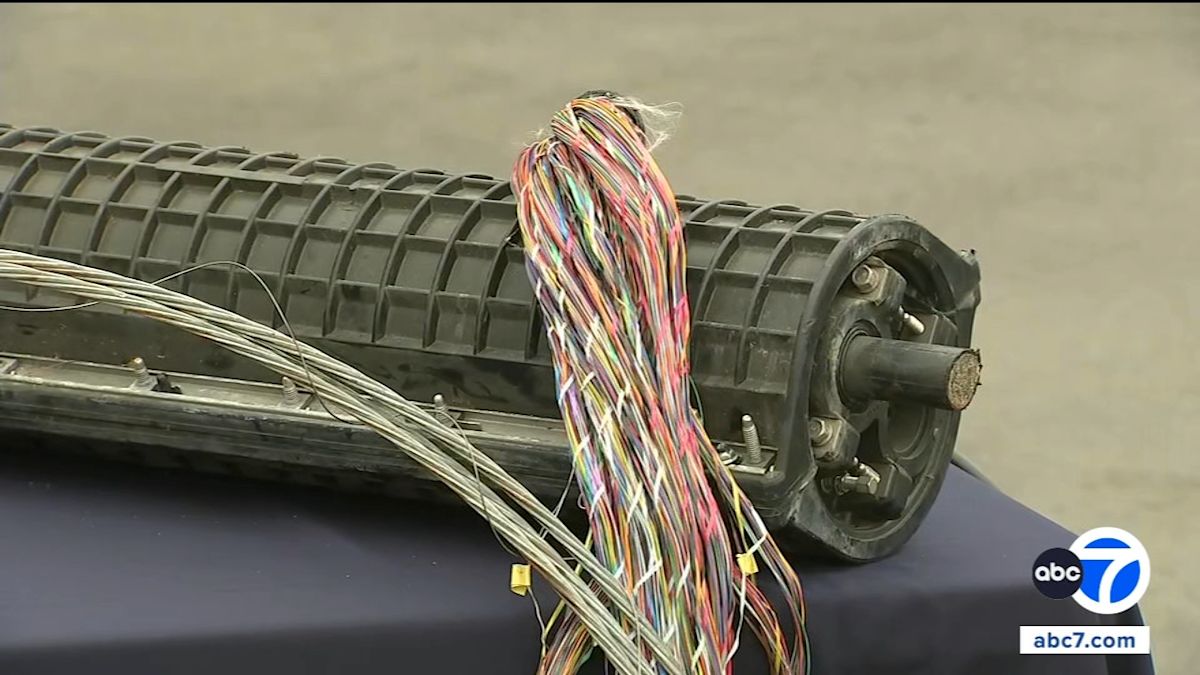
A broad coalition of municipal officials, law enforcement representatives, and business leaders across California is urging Governor Gavin Newsom to sign new legislation aimed at dismantling illicit copper theft networks that have disrupted municipal infrastructure. The unified appeal follows extensive disruptions to public utilities, including widespread communication outages and darkened urban corridors throughout Los Angeles and neighboring municipalities.
At the heart of the campaign is Assembly Bill 1941, a measure formulated to tackle the increasing frequency and sophistication of metal theft operations. If enacted by the governor, the statute would officially establish a new criminal charge known as "organized metal theft," creating specialized legal avenues to prosecute both the perpetrators who rip wiring from the ground and the buyers who purchase stolen metals.
The legislative push arrives amid newly revealed data detailing the alarming scope of metal theft impacting public utilities. Public records obtained through inquiries conducted by investigative reporters show that the Los Angeles Department of Water and Power has suffered the theft of more than 27,000 feet of communications cable within the past year alone.
To put the volume of stolen LADWP wiring into perspective, 27,000 feet equates to roughly five miles of communications lines. Stretched vertically from the ground, that amount of wire would reach the typical cruising altitude of a commercial passenger jet, underscoring the massive scale of equipment lost from the city's utility network.
The total measurement of stripped wire can also be visualized as the continuous length of 90 standard football fields placed end to end. Alternatively, the missing line would span the distance of approximately 165 Olympic-sized swimming pools, illustrating the prolonged and continuous plundering of vital public components.
The fallout from these illicit operations extends far beyond physical material losses, directly jeopardizing neighborhood security and public utility functionality. When metal thieves rip cables from utility boxes and electrical conduits, they regularly sever telephone connections and leave major thoroughfares and streetlights completely dark, impacting residents and motorists across several Californian communities.
Assembly Member Mark González, a Los Angeles lawmaker who authored and sponsored AB 1941, addressed the pressing nature of the crisis during a public news conference on Monday. González emphasized that state authorities require modernized statutory frameworks to effectively curb the expanding wave of infrastructure looting.
"California's infrastructure is not yours to steal," González asserted during the media briefing. "We have an opportunity to give prosecutors a stronger tool to hold organized metal thieves accountable and protecting the systems that keep our communities safe and connected."
González deliberately chose the 6th Street Bridge in Los Angeles as the site for the announcement to highlight the destructive toll of recurring thefts. The prominent architectural structure has served as a frequent target for criminal rings seeking copper and other valuable metals embedded within the city's power grid.
As a direct consequence of repeated cable theft, the 6th Street Bridge has routinely been plunged into darkness after thieves stripped out internal streetlight wiring. These ongoing outages not only compromise the safety of drivers and pedestrians crossing the span at night, but they also place a substantial financial burden on local government resources.
The economic toll of restoring damaged infrastructure has escalated rapidly. According to figures shared by González, taxpayers have already been forced to spend an estimated $11 million solely to replace stolen electrical and communications cables on the 6th Street Bridge.
To combat these recurring crimes, AB 1941 introduces severe penalties designed to disincentivize both the physical theft and the subsequent commercial trade of illicit materials. Under the provisions of the proposed bill, individuals who conspire or team up to steal metal or purchase stolen scrap could face up to one full year of incarceration in county jail.
Supporters believe that empowering prosecutors with the "organized metal theft" statute will help dismantle the coordinated networks fueling the market. By holding unauthorized metal dealers and collaborative theft crews equally liable under the law, authorities hope to cut off the financial pathways that make wire stripping profitable.
The widespread destruction of public wiring has underscored the vulnerability of public utilities across the state. As street lighting systems and critical phone lines continue to face disruption in urban centers, local leaders argue that existing criminal statutes are no longer sufficient to deter organized crews targeting critical municipal assets.
With legislative approval secured, the future of AB 1941 now rests on the desk of Governor Gavin Newsom. Community advocates, law enforcement agencies, and municipal stakeholders are awaiting executive action, viewing the bill as a vital step toward safeguarding California's public infrastructure and keeping community systems powered and connected.


(0)