
Gardeners seeking to introduce distinctive architectural interest and a classic, storybook aesthetic to their outdoor spaces are increasingly turning to bell-shaped and tubular blossoms. These gracefully nodding blooms offer striking visual texture across a spectrum of settings, from structured perimeter borders and woodland clearings to casual patio containers and sloped terrains. Incorporating a curated selection of bell-formed cultivars allows landscape designers and home growers to establish continuous visual intrigue through varied plant heights, distinctive growth habits, and staggered seasonal flowering periods.
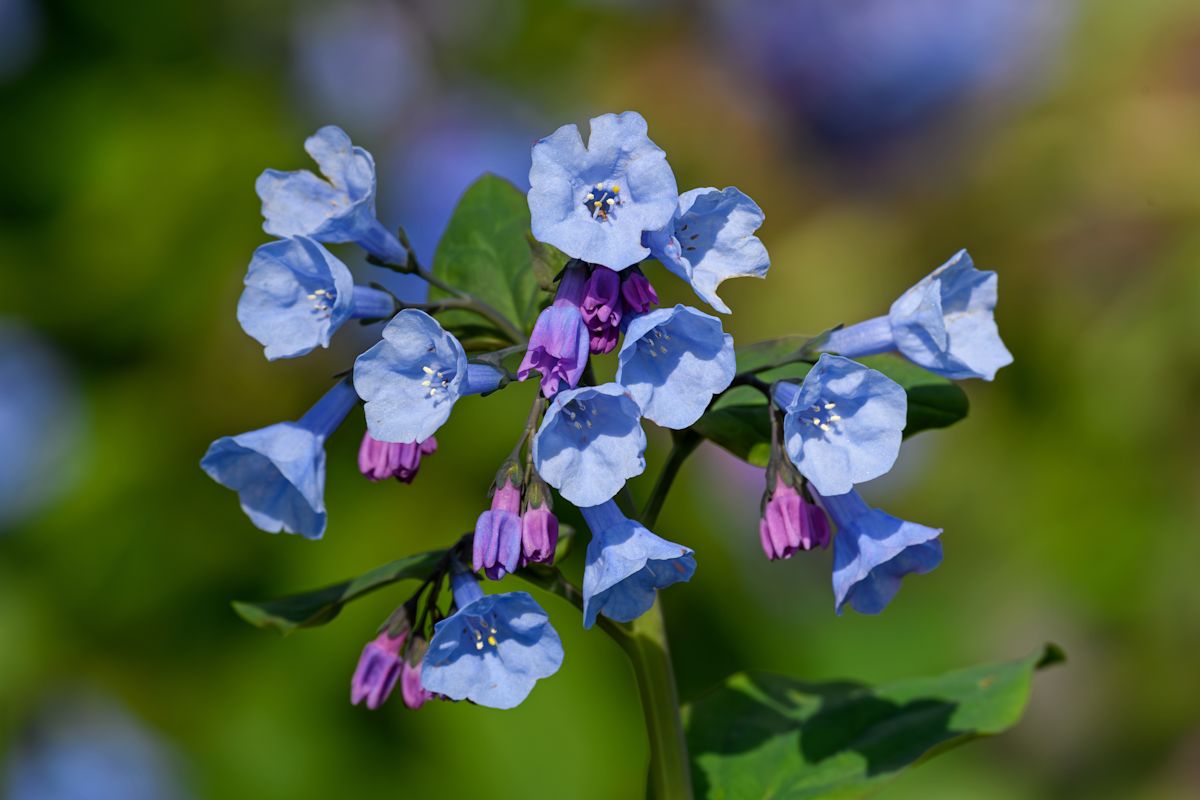
Early spring landscapes frequently benefit from native woodland selections that thrive before full forest canopies develop. Among the most celebrated is the Virginia bluebell, an Eastern United States native characterized by its rounded, gray-green foliage and upright stems reaching up to 24 inches in height. These plants are renowned for their dynamic color progression, beginning as delicate pink buds before maturing into clear blue tubular blossoms. Forming expansive, naturalized drifts across shaded garden beds, Virginia bluebells complete their early display before quietly entering summer dormancy.
Complementing this early palette are snowdrops, which emerge in late winter to deliver nodding, delicate white flowers. These compact perennials demonstrate remarkable adaptability by thriving in clay soil environments, provided the ground remains well-drained and free from excessive compaction. Positioned in partially shaded locations, snowdrops offer cold-hardy structure when most other landscape specimens remain dormant, establishing a foundational layer for subsequent spring growth.
Shaded beds also provide an ideal environment for yellow-flowered native wildflowers such as bellwort. Adapted to United States Department of Agriculture (USDA) hardiness zones 4 through 9, bellwort produces distinctly nodding, bell-shaped flowers with elongated yellow petals. Its ability to prosper in full shade makes it a dependable companion for understory plantings, where its soft contours contrast effectively with broader, low-growing ground covers.
Foliage texture and wildlife resistance serve as critical considerations for shaded terrain, where plants like lungwort (Pulmonaria) provide practical and ornamental value. Blooming in early spring, lungwort features textured, hairy leaves that naturally deter foraging deer. This protective foliage makes the perennial an advantageous selection for woodland landscapes where browsing wildlife often threatens more vulnerable ornamental species.
Gardeners managing shade gardens can also incorporate the dramatic visual presence of fritillaries. Known for their pendulous, bell-like blossoms that often showcase intricate checkered patterns, these bulbs perform best in cool, well-drained soil beneath partial shade. In addition to their ornamental value in woodland settings, fritillaries are frequently integrated into planting schemes because their presence helps deter rodents and squirrels. While varieties like *Fritillaria imperialis* are often cultivated as annuals, they can successfully rebloom as reliable perennials when provided with optimal growing conditions.
For vertical contrast in sheltered zones, foxgloves produce tall, stately flower spikes densely packed with bell-shaped blooms. Suited for USDA zones 4 through 10, these striking specimens flower from late spring into early summer, adding essential vertical height and structure to the middle and rear tiers of partially shaded borders.
Low-growing perennials such as coral bells (*Heuchera spp.*) deliver complementary ground-level color within woodland layouts. Featuring dense mounds of vibrantly tinted leaves, coral bells send up slender, delicate spikes topped with tiny bell-shaped flowers. Beyond their high resistance to common plant diseases, these hardy perennials serve as an active attraction for pollinating insects, reinforcing the functional biodiversity of shaded garden ecosystems.
In open, sun-drenched garden sections, bellflowers provide an abundant display of blue, purple, and white nodding blooms. Grown along sunny borders, these nectar-rich perennials consistently attract bees and other beneficial pollinators. They can be effectively paired with hyacinths, which contribute early-season color and sweet fragrance. Hyacinths adapt readily to well-drained outdoor garden soil across shades of pink, white, and blue, and they also offer flexibility for indoor gardeners who cultivate them early through bulb forcing.
Sunlit slopes, rock gardens, and open borders benefit significantly from resilient species such as beardtongue (Penstemon). Thriving in USDA zones 3 through 9, beardtongue achieves heights of up to four feet while producing long-lasting, showy blossoms distinguished by a unique pollen-free stamen. The plant is exceptionally well-suited to lean, rocky soils with sharp drainage and requires only weekly watering during summer dry spells to maintain its structural vigor.
Another dynamic candidate for rocky terrain is the golden columbine (*Aquilegia chrysantha*). This perennial displays bright blooms contrasted against dark, clover-shaped leaves, with eye-catching flowers featuring five distinctive spurs. Capable of deterring deer while drawing in desirable wildlife, columbines adapt effortlessly to ledges, slopes, and open beds, appearing in a diverse assortment of single colors and two-tone combinations.
For robust mid-sized shrubbery, weigela presents a vigorous, fast-growing option capable of reaching up to six feet in height. This full-sun shrub produces prolific clusters of pink to red bell-shaped blossoms that attract pollinators throughout the season, while tolerating denser clay soil conditions that challenge more delicate shrubs.
Traditional spring plantings often rely on daffodils (Narcissus), which feature unmistakable trumpet-shaped central cups encircled by outer petals. Hardy across USDA zones 3 through 8, daffodils require well-drained soil in full or partial sunlight. Over successive growing seasons, these low-maintenance bulbs naturalize, gradually increasing in volume and spreading color across open lawns and garden beds.
To integrate vertical interest on trellises and fences, morning glory vines provide a dynamic, diurnal floral display. These vigorous climbers produce large, trumpet-shaped blue blossoms that unfurl each morning and close by the afternoon. Functioning as annuals in temperate zones and perennials in warmer climates, morning glories require full sun, well-drained soil, and regular irrigation to support their continuous cycle of vibrant daily blooms.
By balancing the specific cultural needs of these fourteen distinct plants—ranging from moisture-retentive shade beds to rocky, full-sun exposures—gardeners can craft multi-layered landscapes. The inclusion of bell- and trumpet-shaped blossoms ensures a continuous progression of color, nectar resources for wildlife, and structural variety that extends from the final weeks of winter through the height of summer.






(0)