
Approaching the heavily guarded perimeter of San Ángel Zurumucapio, 18-year-old Óscar García eased his pickup truck to a halt before a fortified checkpoint. Stationed along the roadway were masked community paramilitaries carrying semi-automatic rifles. Recognizing several of the guards by their local nicknames, the young driver exchanged greetings before being cleared to pass into the rural indigenous community nestled in the mountains of Michoacán, Mexico.
Beside him sat his 74-year-old grandfather, Francisco, dressed in a traditional straw cowboy hat. As the elder watched the armed sentries, he lamented the profound transformation that had reshaped their once-peaceful territory over the past three decades. While the rapid expansion of avocado cultivation brought unprecedented financial wealth to this region of western Mexico, Francisco observed that it simultaneously introduced a pervasive climate of fear and violence.
For the García family, the dangers embedded within the vast mountainside orchards became agonizingly personal. Óscar, who has had to assume full responsibility for managing the family's agricultural holdings at just 18 years old, steered his vehicle off the main paved highway and navigated onto a rutted dirt road winding through thick groves. Stopping the truck a few miles into the hills, he pointed out the exact location where his father’s vehicle had been discovered abandoned following his sudden disappearance.
San Ángel Zurumucapio is a small community of roughly 6,000 residents deeply rooted in P'urhépecha indigenous heritage. In this closely knit settlement, most inhabitants share extended familial bonds, and social life customarily centers on community rodeos held every few months. Yet, the tranquility that historically defined the town has been severely eroded by the turbulent developments of the regional cash-crop economy.
Decades earlier, the surrounding landscape consisted primarily of undisturbed pine forests rather than manicured fruit groves. In his youth, Francisco traversed the mountainous terrain on horseback, scraping together a modest living by harvesting resin from towering pine trees. Because local economic opportunities were severely limited, escaping poverty frequently required leaving the country altogether; Francisco himself migrated temporarily to Texas to earn enough money to build a home capable of accommodating his 12 children.
His eldest son, Francisco—widely known as Pancho—followed an almost identical trajectory during his youth. Pancho traveled north as a teenager to spend six years laboring on a Christmas tree farm in North Carolina. Upon returning to Michoacán to establish a family with his wife, Terésa Pérez, he immediately set out to clear a parcel of woodland in order to cultivate his own avocado trees.
The timing of Pancho's agricultural venture aligned with sweeping geopolitical and trade developments. In 1997, under the framework of the North American Free Trade Agreement, the United States formally abolished its longstanding prohibition on importing Mexican avocados. The elimination of these trade barriers catalyzed an unprecedented surge in American consumer demand for the fruit.
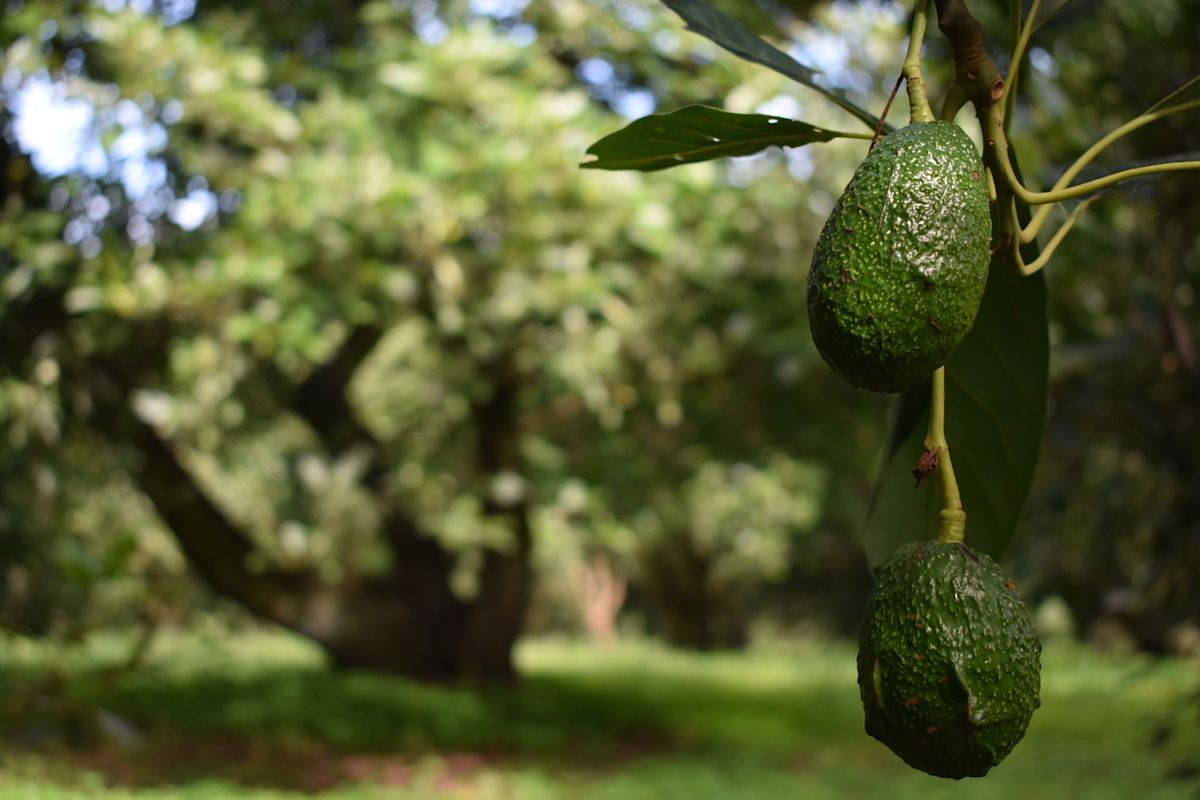
Over the subsequent thirty years, that relentless market demand elevated the state of Michoacán into the undisputed center of global avocado production. For countless rural residents like Pancho, the agricultural boom provided an unprecedented pathway out of poverty and into the middle class. With their earnings, Pancho and Terésa built a modern home, purchased new vehicles, took family vacations to coastal beaches, and provided quality clothing and schooling for their three children, Ana, Óscar, and José.
The prosperity, however, prompted a dramatic environmental shift across the region as hundreds of thousands of acres were cleared to establish avocado groves. This widespread deforestation altered the local climate, contributing to measurable increases in regional temperatures and noticeably reduced rainfall levels, fundamentally transforming the ecosystem that had once supported dense pine woods.
Alongside the ecological strain came an aggressive influx of organized crime syndicates. By the mid-2000s, armed criminal networks operating in Michoacán sought to diversify their illicit revenue streams away from trafficking cocaine, heroin, and methamphetamine. Recognizing the massive profits generated by the avocado trade, these syndicates began forcibly intruding into the legitimate agricultural sector.
Criminal groups began systematically seizing control of established groves, aggressively clearing additional forest acreage for their own plantations, and imposing heavy "protection" taxes on local growers. Farmers who refused to submit to these extortion demands were met with direct intimidation and violent retaliation, turning the lucrative industry into a hazardous enterprise.
Within San Ángel Zurumucapio, armed cartel figures openly asserted their dominance, driving flashy pickup trucks through town while smoking marijuana and blasting loud banda music. Óscar grew up in the shadow of this constant tension, having to take cover during gun battles near his local school and dodging a shootout in front of a community altar to the Virgin Mary that his grandfather had helped construct.
Kidnappings quickly became a terrifying regularity throughout the community, with the fathers of Óscar's schoolmates routinely abducted and held hostage until their desperate families could gather sufficient ransom payments. Óscar continually feared for his own father, whose avocado groves were situated in an isolated area several miles beyond the town's perimeter.
Despite the escalating perils of the trade, Pancho had long remained unperturbed, spending his evenings quietly at home with his family rather than participating in the town's growing panic. He taught Óscar essential agricultural techniques, such as proper fertilization schedules and methods for detecting lethal tree fungus, while steadfastly refusing to purchase firearms for self-defense despite the fact that his brothers and neighbors were arming themselves.
The eventual disappearance of Pancho—believed to be the casualty of an extortion-related kidnapping—plunged the García household into deep grief and uncertainty. The family’s tragedy underscored the ongoing atmosphere of lawlessness that continues to plague Michoacán's avocado-producing heartland, where agricultural wealth frequently attracts predatory violence.
In response to the unchecked insecurity and the perceived inadequacy of state protection, the residents of San Ángel Zurumucapio established a self-defense militia and adopted an autonomous governance structure. Today, barricades and heavily armed neighborhood guards stand watch over the town's entrances, serving as a constant reminder that the avocado trade, while delivering immense economic salvation, also brought enduring peril to the community.






(0)