
A protracted legal battle over public records has revealed extensive commuter complaints regarding a private security firm employed by the Chicago Transit Authority. The newly obtained documents, released only after an attorney took the transit agency to court, shed light on numerous concerns surrounding guard behavior, animal treatment, and oversight within the city's rail stations.
As the nation's second-largest public transportation system, the CTA is currently working to rebuild rider confidence and address heightened scrutiny regarding passenger safety. However, the agency's handling of public transparency and private security oversight has come under severe criticism from watchdogs and legal advocates seeking greater accountability.
At the center of the dispute is Action K9 Security, a private contractor whose black-uniformed guards and muzzled German Shepherds have been a regular presence on train platforms for more than a decade. The CTA maintains an $89.6 million taxpayer-funded contract with the private firm, tasking its handlers with monitoring platforms and addressing common transit violations such as smoking, loitering, and fare evasion.
The push for transparency began when Chicago attorney Conley Wouters grew concerned after witnessing what appeared to be the mistreatment of a security canine on a CTA platform. Seeking to understand the standards governing the security operation, Wouters submitted requests under the Illinois Freedom of Information Act seeking the agency’s contract with Action K9 and all related complaints filed against the company.
Despite the statutory obligations of the state’s public records law, Wouters encountered months of resistance and non-responsiveness from the transit agency. The lack of cooperation prompted him to file an appeal with the Illinois Attorney General’s Public Access Counselor, a state body tasked with reviewing denials and delays of public record disclosures.
Following a formal review of the matter, the Public Access Counselor determined that the CTA had violated state law and directed the agency to provide the requested materials to Wouters. Even after the state's intervention, the agency released only partial records before resuming communication silence, ultimately prompting Wouters to file a lawsuit against the transit authority.
Nearly a year after the initial records request was submitted, the legal pressure forced the CTA to turn over more than 130 customer complaints regarding Action K9 Security that had been logged since 2022. The released files exposed a wide spectrum of issues reported by both daily commuters and transit personnel.
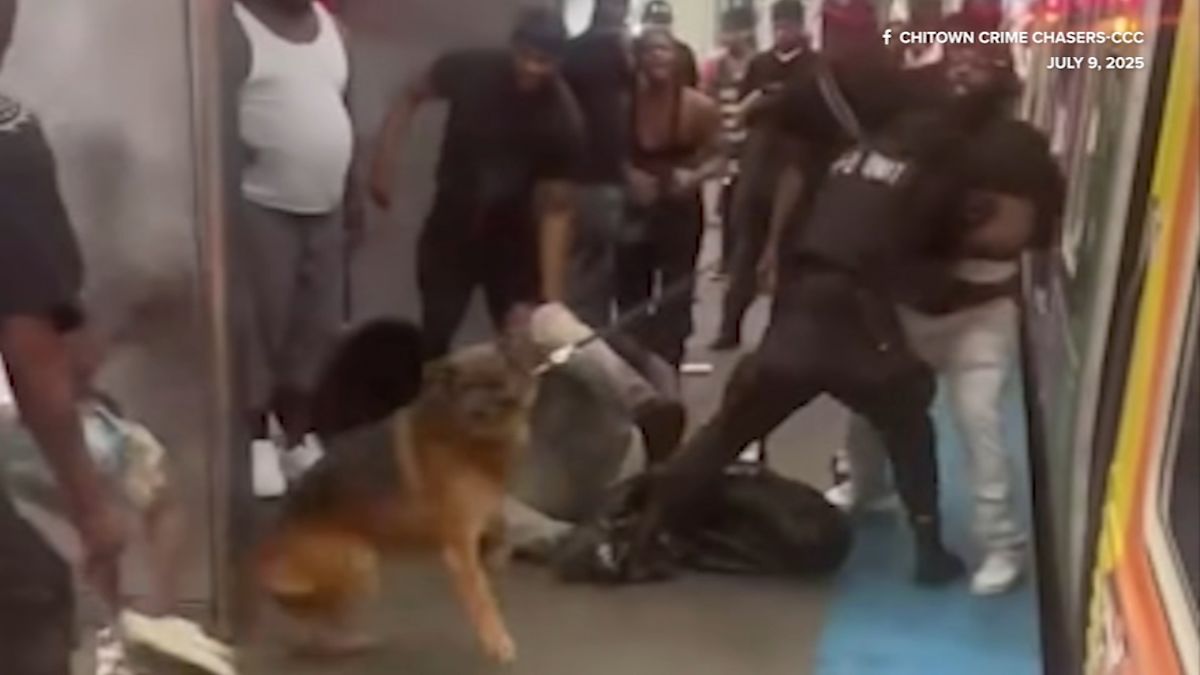
A notable portion of the records involved a violent confrontation that took place on July 9, 2025, at the Red Line’s 69th Street station. The altercation involved four men and contracted canine handlers, during which punches and garbage cans were thrown, a handler fell onto the tracks, and a German Shepherd bit participants and handlers unprompted before video of the brawl spread widely on social media.
The incident sparked immediate backlash from riders, who contacted the transit authority to demand formal inquiries into the handlers' training and the preparedness of their animals. Despite the severity of the brawl, internal records show that the CTA closed rider complaints regarding the event within roughly 24 hours, offering no indication that a comprehensive investigation was ever conducted.
Canine welfare and behavioral control formed a recurring theme throughout the released records. Among the grievances was a report submitted by one of the CTA’s own senior attorneys, who documented an encounter with a canine team where the animal lunged, barked, and growled aggressively at passing commuters, leading the attorney to declare the animal unfit for active transit duty.
Beyond concerns over animal welfare and aggression, the disclosed files revealed significant misconduct allegations directed at the human guards themselves. Commuters filed grievances accusing personnel of failing to perform their security duties, neglecting platform safety, and engaging in direct harassment, including an account of guards catcalling female passengers waiting for trains.
When asked about the findings, Action K9 Security declined to sit for an interview but issued a written statement defending its operations. A spokesperson for the company contended that several of the disclosed complaints had been erroneously attributed to Action K9 instead of other third-party security vendors, adding that any verified complaints connected to the firm were deemed unfounded following thorough investigations.
The Chicago Transit Authority also declined interview requests regarding the lawsuit and the subsequent record release. In a brief statement, the agency maintained that it initiates immediate reviews of all customer complaints submitted through its reporting channels, despite records showing rapid administrative closures of high-profile incidents.
The disclosure of these documents highlights broader questions regarding the oversight of multi-million-dollar private security contracts within municipal transit systems. As the CTA continues efforts to reassure passengers regarding platform safety, the legal battle underscores the crucial role of open-records compliance in holding public agencies accountable to the communities they serve.





(0)