

Public middle and high schools throughout Delaware are no longer permitted to sell energy drinks to students under a newly enacted state law. The measure officially removes high-caffeine commercial beverages from campus vending machines, cafeterias, and school-run concessions in an effort to curb student access to heavily caffeinated products during the academic day.
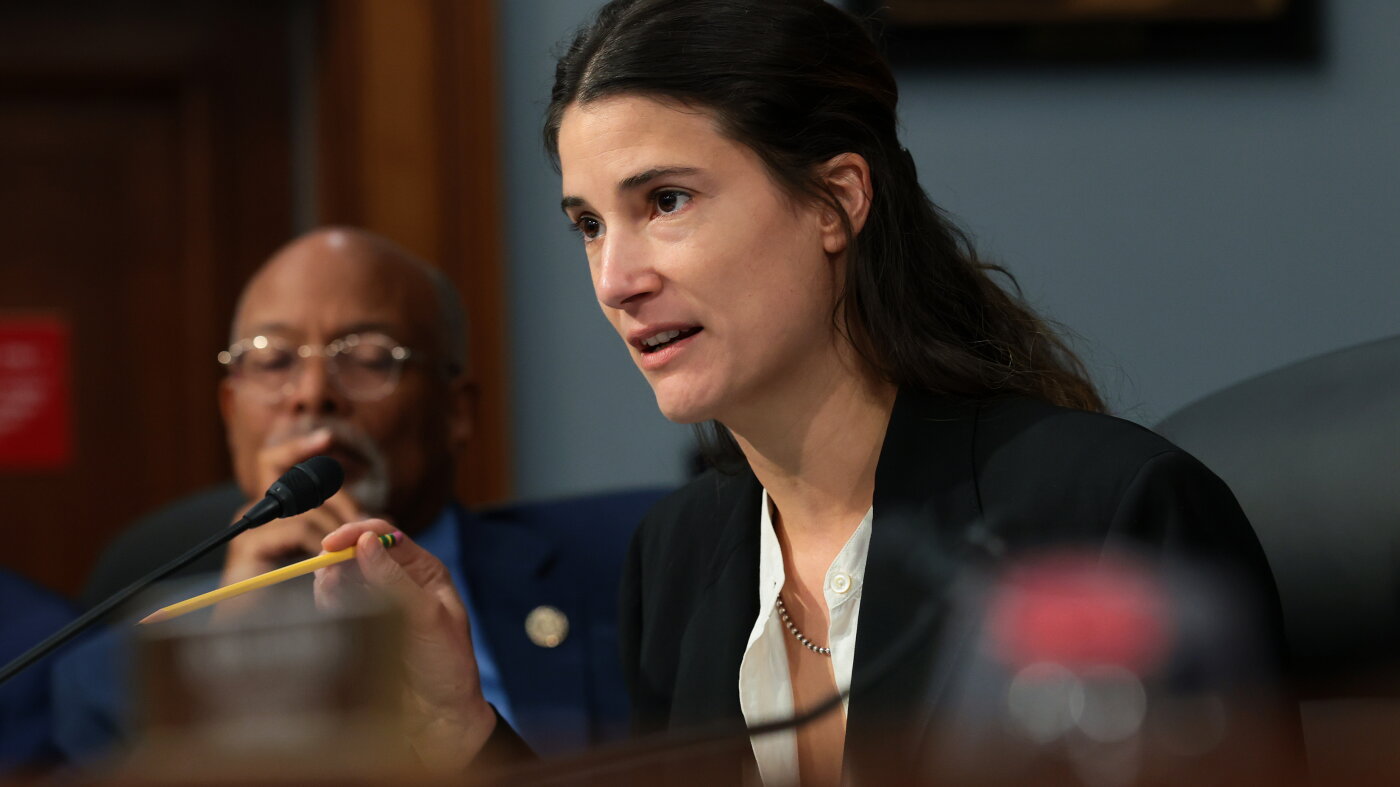
The legislation, championed by Representative DeShanna Neal, an Elsmere Democrat representing Delaware's 13th District, formally took effect after receiving the signature of Governor Matt Meyer on September 8. With the governor’s endorsement, the measure establishes strict boundaries regarding the types of beverages that educational institutions can offer for purchase on school property.
Under the provisions of the new statute, the sales restriction is enforced throughout normal school operating hours across all public middle school and high school properties in the state. Lawmakers designed the policy to ensure that public school facilities do not actively supply or profit from products containing concentrated levels of caffeine.
The prohibition extends beyond traditional classroom instruction hours to encompass a wide array of school-sponsored extracurricular activities and campus gatherings. Events and functions subject to the sales ban include after-school club meetings, band and choir practices, athletic rehearsals, and evening student dances held on campus grounds.
While the statute establishes an outright prohibition on the commercial sale and distribution of energy drinks by schools and affiliated organizers, it does not restrict what individual students choose to carry with them. Students are still legally permitted under state law to bring their own beverages onto campus from home for personal consumption during the day.
The enacted school sales ban was originally part of a broader, three-bill legislative package introduced by Neal in April. The series of proposals was aimed at establishing comprehensive oversight and public health safeguards surrounding the retail distribution and marketing of heavily caffeinated drinks and related dietary products.
While the school campus restriction succeeded in advancing through the General Assembly and reaching the governor's desk, the other two measures in Neal's regulatory package faced significant legislative hurdles and ultimately stalled before the session concluded.
The first of the stalled proposals sought to implement a sweeping statewide prohibition that would have barred retailers from selling energy drinks or caffeinated dietary supplements to any minor under the age of 18. This ambitious measure aimed to keep high-potency caffeinated items out of the hands of young consumers across all retail environments, not merely within school borders.
As part of that proposed ban on sales to minors, the Delaware Division of Public Health would have been mandated to author an official public health guidance document. This advisory notice was intended to identify specific vulnerable populations for whom energy drinks and caffeinated dietary supplements are not medically recommended, including young children, people with sensitivities to caffeine, and individuals who are pregnant or nursing.
Under the framework of that bill, commercial retailers would have been encouraged to prominently display the state-issued health notices in visible areas near product displays and checkout counters. To ensure adherence, the draft legislation also outlined financial penalties and fines for businesses that failed to comply with the sales restrictions.
The youth sales restriction garnered substantial momentum early in the legislative process, securing formal endorsements from healthcare networks and education advocacy organizations across the state. This support culminated in a unanimous vote of approval in the Delaware House of Representatives on June 11, although the legislation subsequently died without receiving a committee hearing in the state Senate.
Had that measure cleared the Senate and been enacted into law, Delaware would have distinguished itself as the first state in the nation to pass broad caffeine safety and age-restriction legislation, according to statements from the House of Representatives.
The second stalled measure focused on consumer transparency by targeting large food-service establishments and chain restaurants. The legislation proposed requiring any business operating more than 20 locations within Delaware to display standardized warning symbols on their menus next to handcrafted beverages containing high concentrations of caffeine.
The menu warning requirement was crafted with specific exemptions, excluding traditional coffee, brewed tea, and alcoholic beverages from the labeling mandate. The bill also exempted standalone bars and bar areas situated inside full-service restaurants, focusing instead on specialty handcrafted drinks sold in high-volume commercial dining chains.
Furthermore, the labeling mandate would have applied to digital spaces, requiring covered businesses to supply the same high-caffeine warning symbols and nutritional disclosures to third-party delivery services and online ordering platforms displaying their menus. Although the menu-labeling bill successfully cleared its assigned committee review in May, it subsequently stalled after several substitute versions were introduced late in June without reaching a final floor vote.
Despite the legislative roadblocks encountered by the retail sales ban and the menu warning proposal, Neal reaffirmed a commitment to consumer safety upon the conclusion of the legislative session. Speaking on the final day of the session, the Elsmere lawmaker stated intentions to reintroduce both failed caffeine regulatory bills when the General Assembly convenes next year.







(0)