
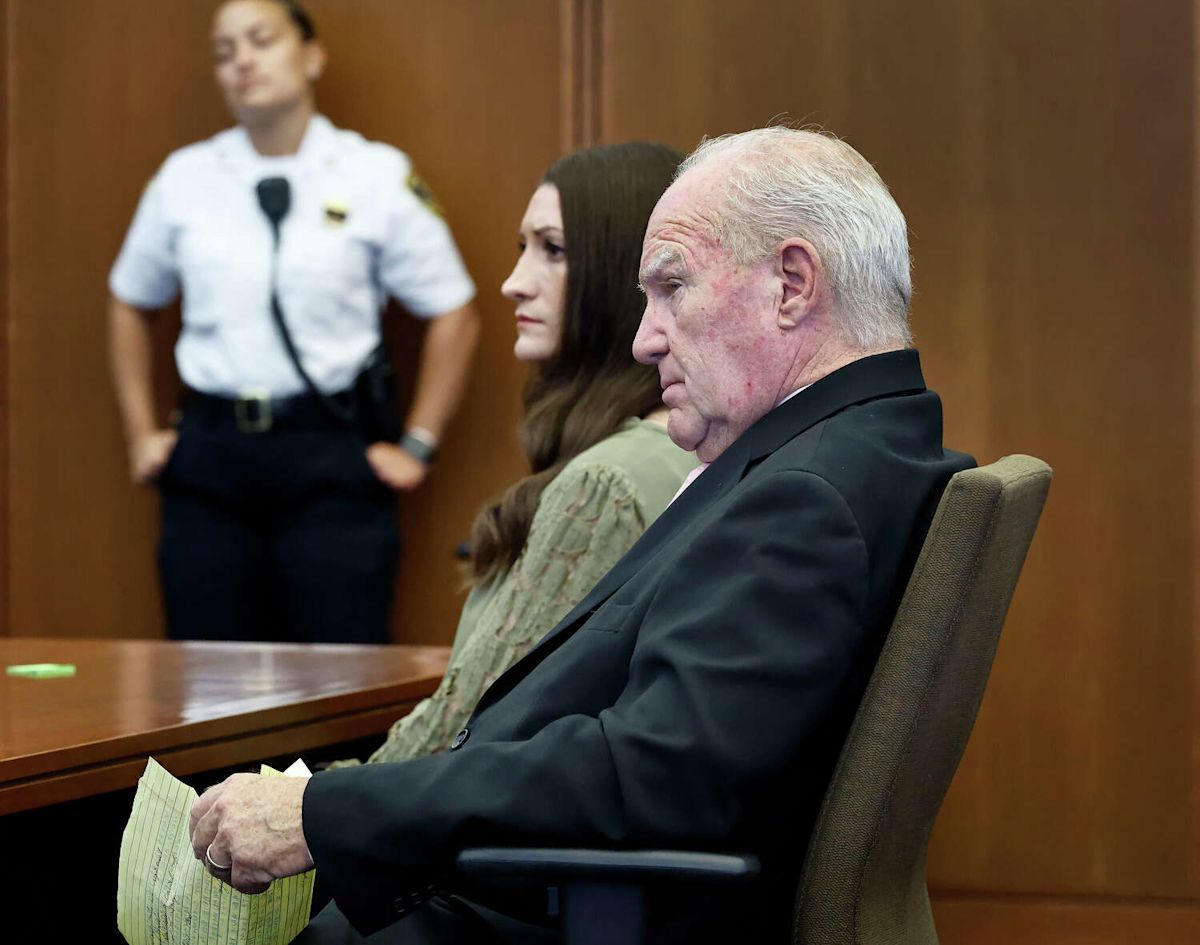
The judge overseeing the high-profile murder trial of Lindsay Clancy has issued an order to seal the identities of all participating jurors indefinitely. The ruling comes amid heightened concerns regarding juror protection and privacy following intense national interest and emotional discourse surrounding the case.
Presiding Judge William Sullivan confirmed that the names of all 18 panel members—consisting of the 12 primary deliberating jurors and six alternates—will remain officially impounded. According to court records, the protective measure will stay in effect until the court issues an explicit subsequent order directing otherwise.
In a formal two-page judicial decision, Judge Sullivan emphasized the severe potential repercussions of exposing the identities of the citizens who served on the panel. The judge concluded that making the roster accessible to the public at this stage would introduce a significant risk of immediate and irreparable harm to the individuals involved.
The indefinite sealing expands upon an initial protective measure enacted earlier in the month. When Judge Sullivan declared a mistrial on September 4 after the jury spent approximately a week in deliberations without reaching a unanimous verdict, he initially placed a temporary 14-day impoundment on the juror list.
In justifying the extended protection, Judge Sullivan pointed to the extraordinary environment surrounding the legal proceedings. He observed that the criminal case continues to generate substantial and polarizing attention, capturing headlines and provoking strong emotional reactions both within the Commonwealth of Massachusetts and across the United States.
The judge also referenced the pervasive and heated commentary circulating on digital platforms. A vast volume of social media posts has scrutinized the trial and directed strong reactions toward the jury's closed-door deliberations, creating an increasingly volatile atmosphere for those tasked with evaluating the evidence.
Safety concerns were further underscored by tangible security breaches that occurred during the course of the trial. Judge Sullivan cited an incident in which a 56-year-old Massachusetts woman was arrested outside the courthouse for covertly recording jurors as they exited the building, although the woman later claimed she had intended only to film Clancy.
The court also took note of unauthorized disclosures that had already begun to jeopardize the panel's privacy. Judge Sullivan highlighted that several jurors had been publicly identified without their consent, and at least one juror formally approached the court to request that the impoundment order be prolonged indefinitely to ensure continued protection.
The decision to seal the identities arrived shortly after multiple jurors broke their silence to speak with media outlets regarding the intense deliberation process. In these interviews, panel members revealed that they were on the brink of reaching a resolution, with 11 of the 12 deciding jurors having voted to find Clancy not guilty by reason of insanity.
According to those juror accounts, a single holdout prevented the panel from delivering a final verdict. The jurors who spoke publicly stated that the lone dissenting member refused to join the majority in acquitting Clancy under the insanity defense, despite having conceded during deliberations to harboring doubts regarding her criminal guilt.
The deeply divisive trial centers on events that took place on January 24, 2023, in which Clancy, a native of Connecticut, was accused of killing her three young children. She faces three counts of first-degree murder in connection with the deaths of her 5-year-old daughter, Cora, her 3-year-old son, Dawson, and her 8-month-old infant son, Callan.
Prosecutors alleged that Clancy carried out the fatal strangulation of her three children at their residence while her then-husband, Patrick Clancy, was temporarily away from the home running errands. The tragic nature of the allegations immediately propelled the case into the national spotlight, sparking fierce debates regarding maternal mental health and criminal culpability.
Throughout the trial, defense attorney Kevin Reddington argued that his client was not criminally responsible for the acts. The defense maintained that Clancy was suffering from severe postpartum psychosis at the time of the killings, leaving her unable to appreciate the wrongfulness of her conduct.
Conversely, the prosecution presented a starkly different narrative, contending that the killings were premeditated, purposeful, and carefully executed. State prosecutors portrayed Clancy as a controlling and manipulative individual whose actions were calculated rather than the product of an uncontrollable psychiatric crisis.
The court's decision to indefinitely conceal the names of the jurors underscores the profound difficulties judicial systems face in safeguarding citizen jurors during sensationalized trials. With the mistrial leaving the prosecution unresolved and public passions running high, the court has prioritized shielding panel members from external harassment and potential harm.




(0)