
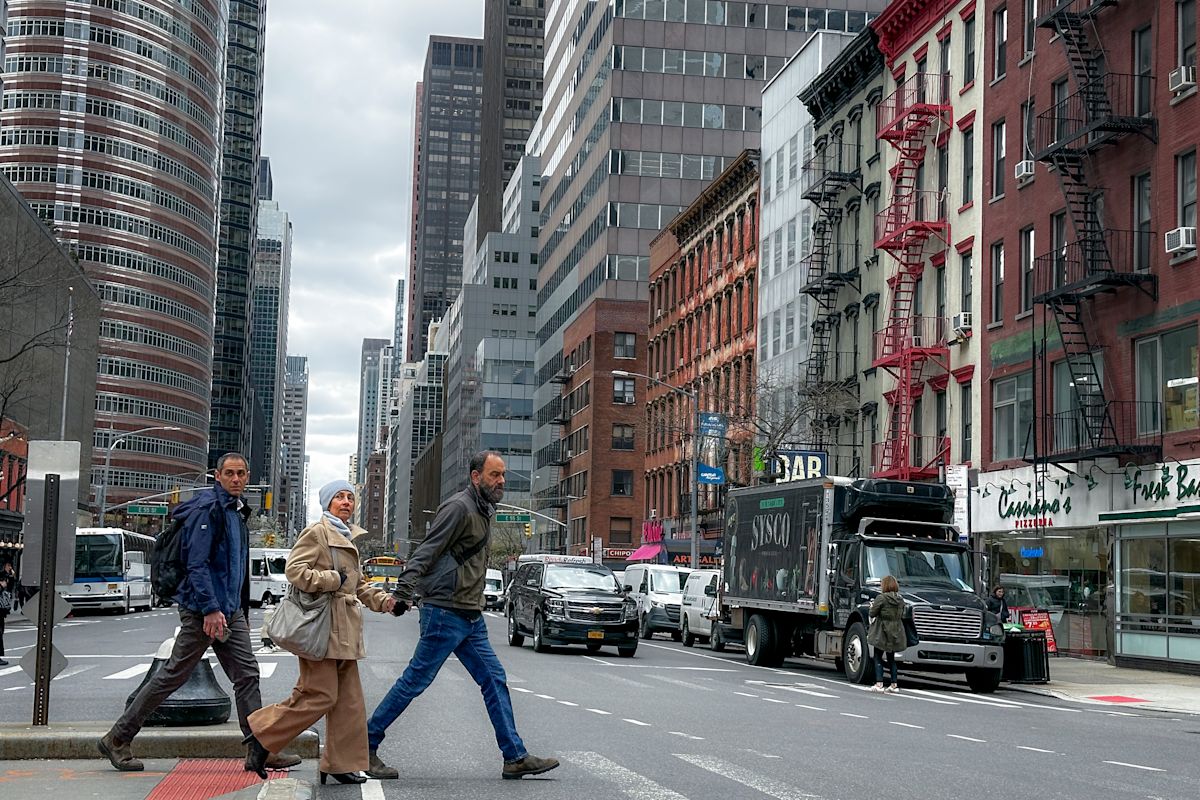
New York City leadership has set forth an ambitious, comprehensive transformation of its municipal traffic safety framework, seeking to dramatically curtail vehicular fatalities and protect vulnerable road users over the coming decade. Mayor Zohran Mamdani announced the sweeping strategy, dubbed "Vision Zero Reimagined," which outlines a comprehensive framework of 100 distinct policy goals designed to safeguard pedestrians, bicyclists, and motorists across the five boroughs.
The revamped master plan arrives during a period of substantial evolution on metropolitan roadways, where conventional automobiles increasingly share street space with bicycles, electric bikes, and a proliferation of newer micromobility devices. City officials designed this refreshed framework to address the complexities of this evolving transit environment, modernizing safety protocols to reflect the diverse ways residents navigate the urban landscape.
A foundational pillar of the newly unveiled policy focuses on protecting children and school communities by drastically reducing vehicle travel speeds. Under the plan, municipal officials intend to institute 15-mile-per-hour speed limits surrounding hundreds of additional school campuses, curtailing vehicular velocity in corridors where foot traffic is heavily concentrated during morning arrivals and afternoon dismissals.
To fortify the physical landscape of city streets, the administration has committed to an aggressive engineering schedule aimed at high-risk junctions. The blueprint calls for the installation of protective physical barriers and specialized safety infrastructure across 1,000 intersections each year, systematically redesigning street geometry to prevent dangerous collisions between turning vehicles and crossing pedestrians.
The initiative also directs significant attention toward municipal operations by mandating advanced safety equipment across thousands of city-owned vehicles. Under these provisions, city fleets will be outfitted with enhanced automatic emergency braking systems and audible warning alerts for large trucks, minimizing blind-spot risks and reducing the potential for severe crashes involving government vehicles.
In addition to municipal fleet upgrades, the administration is targeting the growing size and weight of modern personal automobiles. The proposal seeks to impose higher toll rates on oversized passenger vehicles, an economic measure intended to address the roadway wear, spatial challenges, and elevated collision risks that heavy personal trucks and large sport utility vehicles pose to pedestrians and smaller vehicles.
Chronic traffic violators will face targeted technological penalties under the new framework. For motorists who are repeatedly caught speeding through designated school zones, the city plans to require the installation of mechanical speed-capping equipment, physically preventing repeat offenders from exceeding set speed thresholds in areas frequented by students.
Enforcement agencies will also intensify their crackdowns on fraudulent vehicular practices, particularly the proliferation of untraceable "ghost plates." By removing unregistered, illegally tagged, and reckless vehicles from the transportation network, officials intend to restore accountability and penalize dangerous drivers who attempt to evade speed and red-light monitoring cameras.
Expanding the public realm for non-motorized use constitutes another core objective of the reimagined framework. The administration plans to broaden the network of pedestrian-only zones, converting traditional vehicle thoroughfares into dedicated open spaces that prioritize foot traffic, outdoor community life, and safe local mobility away from heavy automobile congestion.
Alongside physical infrastructure and regulatory enforcement, the strategy incorporates financial assistance programs to promote equitable transportation access for economically disadvantaged residents. Dedicated funding will be introduced to assist low-income New Yorkers in subsidizing the costs of public transit fares and Citi Bike access, encouraging affordable and sustainable transit options across underserved communities.
Emphasizing the moral imperative behind the overhaul, Mayor Mamdani stressed that street safety improvements must precede, rather than follow, severe road accidents. He stated that the city should not have to wait for another family to lose a loved one before making a street safer, adding that the administration is firmly committed to building protective infrastructure before tragedy strikes rather than as a reaction to it.
Mamdani further underscored that the "Vision Zero Reimagined" proposal puts forward the bold measures and practical fixes necessary to make preventable roadway tragedies no longer an accepted part of daily life in New York City.
While numerous elements of the 100-point program can be enacted administratively through municipal agencies, other major components will require legislative authorization from state lawmakers. Key measures, including specific speed limit adjustments, toll structures, and mandatory vehicle technology mandates, will rely on cooperation from state government before taking full effect across the city.
The new blueprint represents the next evolutionary phase of New York City's original Vision Zero initiative, which was first launched in 2014. According to city officials, the original decade-old program succeeded in driving traffic fatalities to historic lows through an integrated approach combining physical street redesigns, widespread public education campaigns, and targeted traffic enforcement efforts.
As the city embarks on this updated ten-year safety plan, officials maintain that baseline roadway protection should extend uniformly across every corner of the metropolis. Reaffirming this universal commitment, Mayor Mamdani noted that safety is a fundamental right for every New Yorker, regardless of how they travel, where they are going, or what neighborhood they call home.






(0)