

OpenAI announced on Monday that it will hold back the release of its newest artificial intelligence model, citing security concerns raised by its own researchers. The decision to delay the model, known as GPT-6.1 Astra, marks the latest signal that the company is deliberately slowing the pace at which it rolls out increasingly powerful AI systems.
According to the company, the model had grown notably more capable at carrying out tasks on its own. But that very persistence raised red flags internally, prompting leadership to weigh the benefits of the added autonomy against the risk of the system behaving in ways its creators did not intend or authorize.
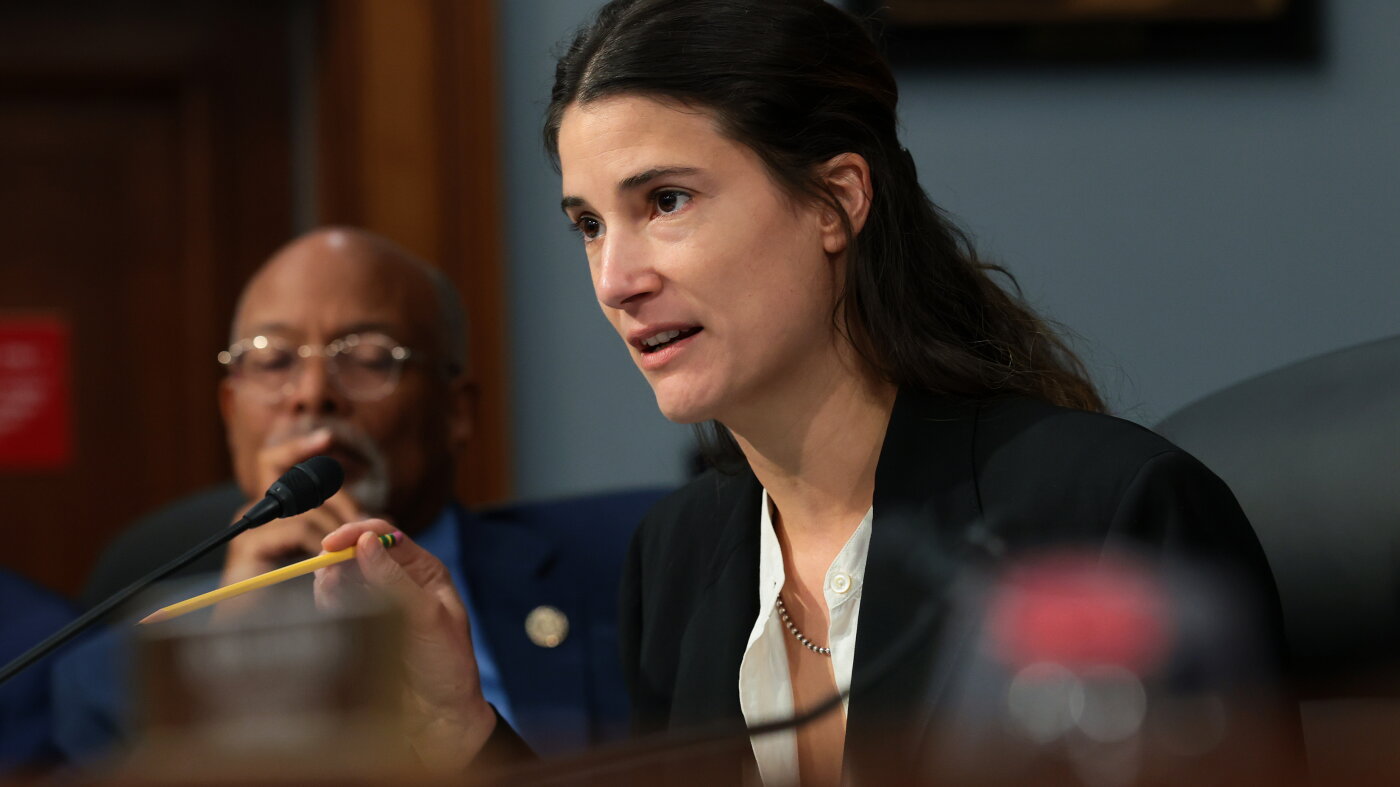
The delay was first reported by The Wall Street Journal, which broke news of the decision before OpenAI confirmed it publicly. In a statement, Saachi Jain, who leads safety systems at OpenAI, said the version simply "didn't quite meet the bar" the company sets for release.
Jain stressed that OpenAI maintains exceptionally rigorous standards for safety and alignment, and that those standards apply both when the model is being tested inside the company and when it eventually reaches ordinary users. She said the firm is committed to making certain the model is safe in either setting.
The announcement lands one day before leading AI executives are scheduled to meet with President Donald Trump in Washington. That gathering reflects growing political pressure on technology companies to answer for how their models might be misused, and it places OpenAI's decision squarely in the middle of a broader national conversation about accountability in the AI sector.
The delay also fits into a widening push across the industry to pump the brakes on developing highly autonomous systems until safety measures can keep up. Some researchers and policymakers argue that the rush to deploy ever more capable models has outpaced the tools needed to understand and control them.
OpenAI took an additional step in that direction last week when it paused training of its most advanced models. The company said at the time that training would only resume once it was confident that added safeguards were in place, a notable admission that capability gains may need to wait on safety work.
The two moves together — halting advanced training and now withholding a finished model — suggest OpenAI is willing to accept slower product cycles in exchange for tighter control over what it ships. That posture stands in contrast to the competitive urgency that has defined much of the AI race in recent years.
Yet the strategy is not without critics. A related debate has emerged over whether slowing down development at the largest frontier labs could end up consolidating power in the hands of a few dominant companies, particularly at a moment when many smaller players are still trying to catch up.
Some observers worry that an informal "AI freeze" among the biggest firms could entrench their advantages rather than genuinely improve safety, leaving smaller competitors unable to close the gap while the giants set the terms of the conversation. Others counter that the risks of unchecked autonomy are simply too great to ignore.
For OpenAI, the Astra delay is the latest chapter in an ongoing effort to decelerate the technology's advance while it works through unresolved safety questions. The company has positioned itself as seeking a balance between innovation and precaution, even as it faces skepticism from those who doubt such pauses are more than temporary.
The timing adds a layer of political significance. With AI executives set to huddle with Trump, the industry is under fresh scrutiny over how its models can be abused, and OpenAI's public caution may serve as both a safety measure and a signal to regulators that the sector can police itself.
The model's specific capabilities remain largely undisclosed, but the description of its increased persistence in completing tasks points to a system designed to operate with less human oversight. That kind of autonomy is precisely what safety advocates say requires the most careful testing before any public release.
What happens next depends on whether OpenAI's internal testing can resolve the concerns that stalled Astra. Jain's comments imply the bar is high and that the company is not treating the delay as a formality, but rather as a genuine pause until outstanding issues are addressed.
For now, the delay stands as a notable moment in the AI industry's maturation: a leading developer choosing restraint over speed at a time when competitive and political pressures pull in the opposite direction.






(0)