
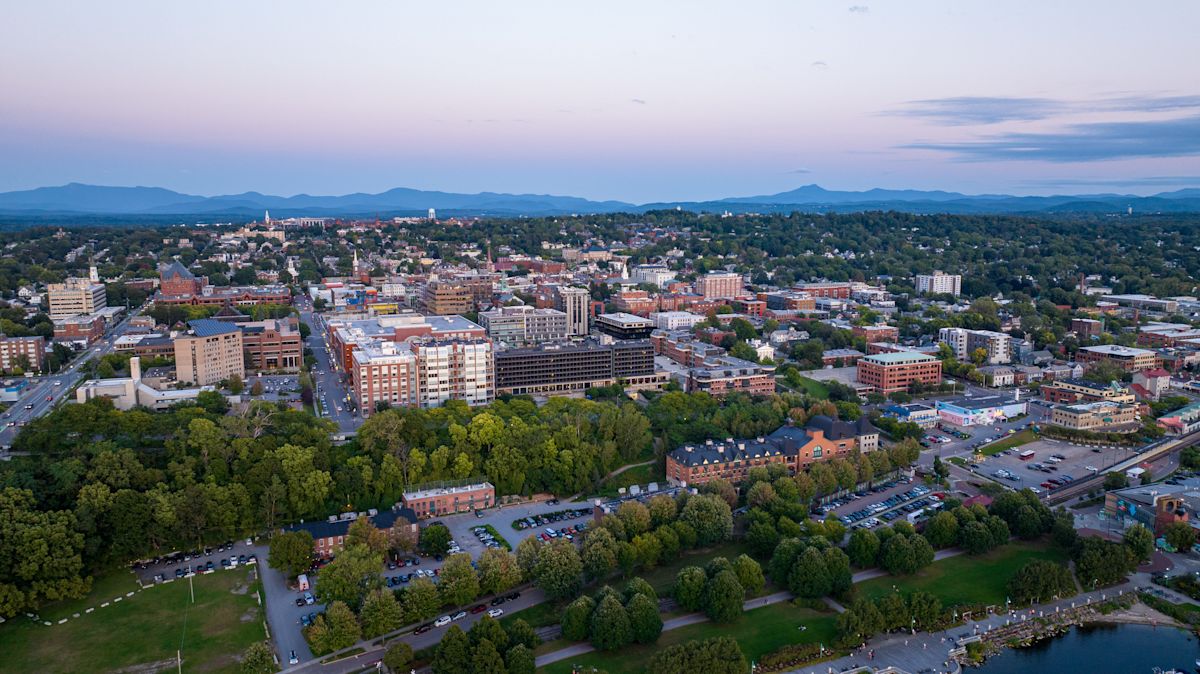
Vermont achieved a notable improvement in nationwide well-being metrics this year, rising seven positions to secure the 22nd spot in the 2026 Happiest States in America study released by the personal finance platform WalletHub. The Green Mountain State had previously placed 29th in the organization's 2025 evaluation, reflecting steady progress across multiple quality-of-life indicators even as it remained outside the nation's top 10.
The annual comparative study evaluates all 50 states through a comprehensive framework that examines emotional and physical well-being, work environments, financial stability, and community vitality. At the pinnacle of the 2026 rankings, Hawaii captured first place overall, followed closely by New Jersey, Utah, Idaho, and Maryland to round out the country's top five happiest states.
The publication of this year's index coincides with widespread financial strain and ongoing economic uncertainty affecting households across the country. Drawing upon survey research from Gallup, the report highlighted that merely 44 percent of American adults currently describe themselves as being "very satisfied" with their daily lives, underlining the critical role that physical health, steady employment, personal relationships, and economic stability play in maintaining overall life satisfaction.
Commenting on the broader findings, WalletHub analyst Chip Lupo pointed out that states achieving the highest rankings generally succeed in offering superior conditions across several distinct domains. He noted that leading states typically combine robust local economies and high-quality physical and mental health care services with generous leisure opportunities and favorable climate conditions.
Lupo also elaborated on the nuanced relationship between financial resources and personal contentment, observing that while popular wisdom suggests money cannot directly purchase happiness, attaining adequate financial stability to live comfortably remains an indispensable foundation. Beyond reaching a baseline of economic security, Lupo emphasized that additional happiness is predominantly driven by meaningful personal relationships, fulfilling recreational pursuits, and avenues for individual growth.
A closer look at Vermont’s individual subcategory scores reveals sharp contrasts in different areas of daily life. The state performed exceptionally well in environmental and workplace criteria, securing the 7th position nationally for community and environment alongside a 9th-place finish for its overall work environment.
However, Vermont experienced a much lower placement in personal health metrics, landing at No. 31 overall in the emotional and physical well-being subcategory. This comparatively lower score in health measures served as a primary factor keeping the state from advancing further into the top tier of the national table.
Despite that mid-tier health ranking, Vermont led the entire United States in several specific quality-of-life indicators. The state achieved the No. 1 ranking nationwide for its rate of adequate sleep, took first place for resident participation in sports, and was ranked the safest state in the country.
The state also demonstrated strong performance across multiple labor and workplace metrics. Vermont recorded the second-lowest average working hours in the nation and tied for the second-lowest long-term unemployment rate alongside Hawaii, Montana, and South Dakota.
In the final overall standings, Vermont settled between Florida, which ranked 21st, and Kansas, which took 23rd place. Across Vermont's varied communities—ranging from urban and commercial hubs like Burlington to the state capital of Montpelier and the resort town of Stowe—these metrics reflect a lifestyle characterized by lower working hours, high civic safety, and active recreation.
Demographic figures from the U.S. Census Bureau provide additional context for the state's performance. As of July 2025, Vermont's estimated population stood at approximately 644,600 residents distributed across roughly 273,400 households, with an average household size of 2.28 individuals.
Economic data recorded by the Census Bureau indicates that Vermont maintained a median household income of $81,203 between 2020 and 2024. These earnings figures provide insight into the financial foundation supporting the state's residents as they navigate broader regional and national cost-of-living pressures.
Looking at the broader New England region, Vermont's performance placed it among a diverse set of state outcomes. While neighboring New Hampshire earned a spot in the upper tier at No. 10 and Connecticut ranked 7th, Massachusetts finished at No. 13, Rhode Island landed at No. 29, and Maine trailed at No. 34.
Nationally, the remaining states within the top 10 included Nebraska in 6th, Minnesota in 8th, and California in 9th. Conversely, the lower end of the ranking was occupied predominantly by states facing significant socioeconomic hurdles, with West Virginia ranking last at No. 50, preceded by Louisiana at 49, Arkansas at 48, Alaska at 47, and Kentucky at 46.
By synthesizing extensive data points spanning employment stability, safety, health habits, and social infrastructure, the 2026 WalletHub report illustrates both the distinct lifestyle advantages and the ongoing well-being challenges that define life for residents across Vermont today.






(0)